
8 Best Regulatory Compliance Software Solutions For 2025

8 Best Regulatory Compliance Software Solutions For 2025
8 Best Regulatory Compliance Software Solutions
What is a Regulatory Compliance Software Solution?
In today’s business environment, compliance is not optional—it’s survival. Industries from healthcare to finance face an ever-expanding maze of regulations, each with its own rules, reporting requirements, and penalties for non-compliance.
For many organizations, managing compliance manually is like trying to navigate a storm without a compass—time-consuming, error-prone, and stressful. This is where Regulatory Compliance Software Solutions step in, transforming a chaotic process into a streamlined, automated system.
Understanding Regulatory Compliance Software
A Regulatory Compliance Software Solution is a digital platform designed to help organizations stay compliant with relevant laws, standards, and regulations. Think of it as your organization’s compliance command center—tracking regulatory changes, enforcing policies, and maintaining documentation, all in one place.
Instead of sifting through endless spreadsheets and email threads, compliance teams can rely on automation to handle routine tasks, ensure accuracy, and keep the organization audit-ready at all times.
Why Regulatory Compliance Software Matters
Regulatory changes can happen overnight. A new data privacy law may come into effect, or industry-specific rules may be updated without much notice. Without the right tools, businesses risk falling behind, leading to fines, legal action, or damage to reputation.
With an advanced platform like Risk Cognizance AI Automated Compliance Software, businesses gain:
- Real-Time Regulatory Monitoring – Stay updated with instant alerts on changes.
- Automated Compliance Tracking – Reduce manual errors and save time.
- Centralized Documentation – Keep all compliance evidence in one secure location.
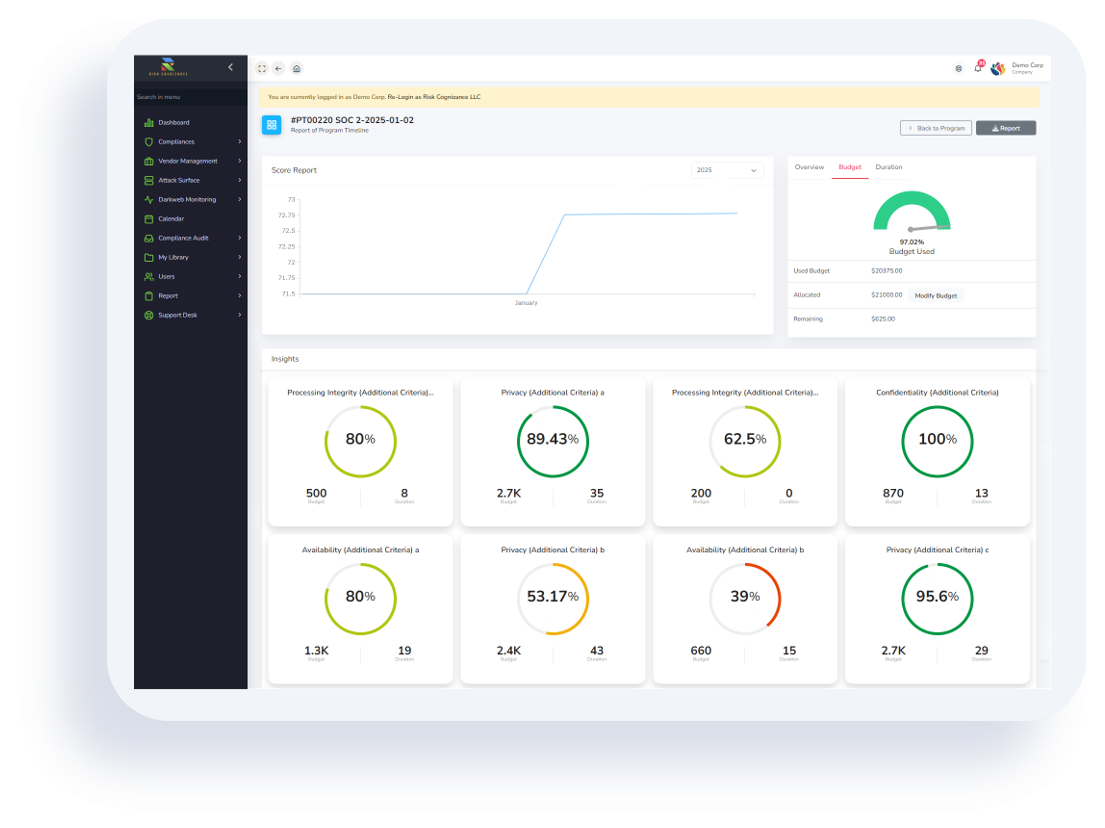
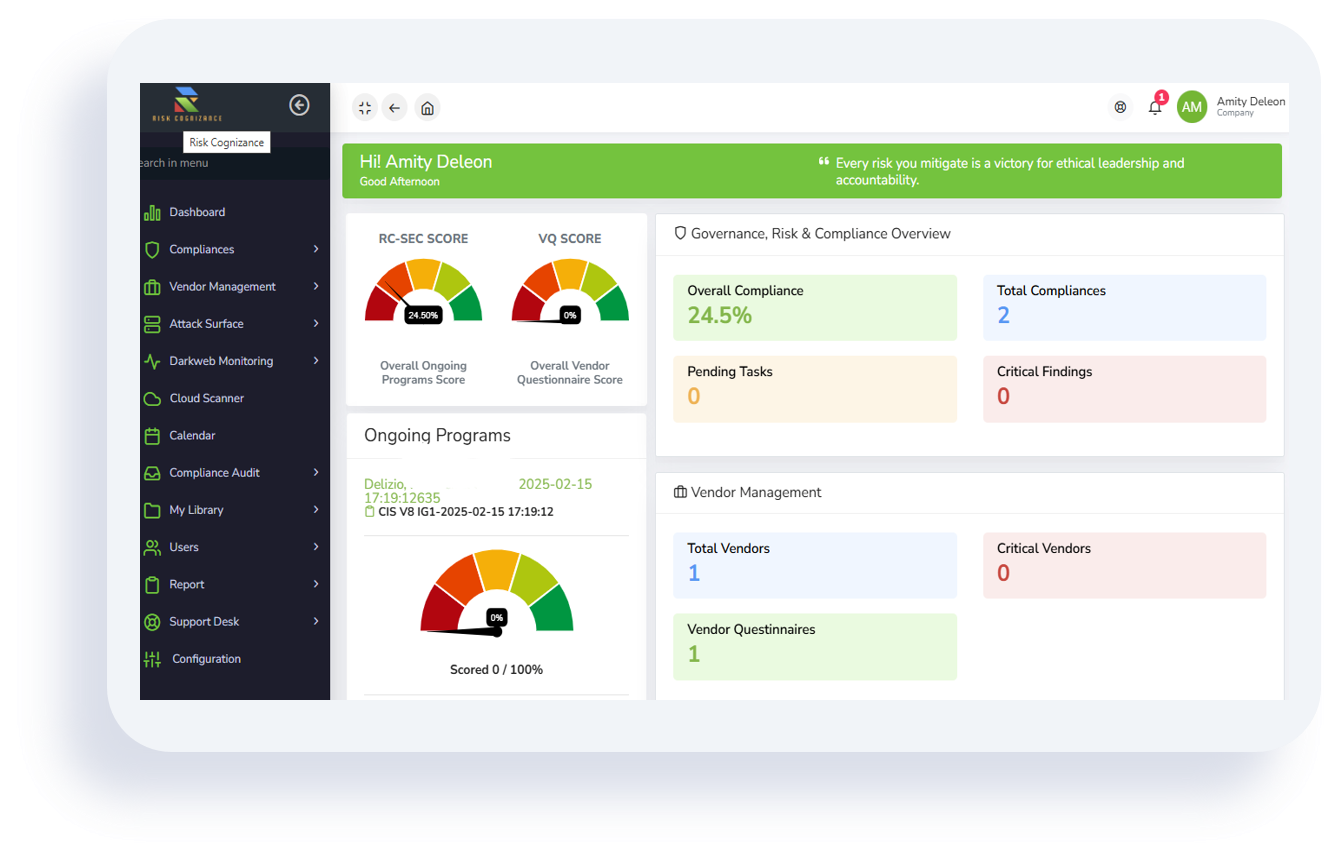
- User-Friendly Dashboards – View compliance status at a glance.
How Regulatory Compliance Software Works
A typical compliance solution integrates into your organization’s workflow and handles:
- Regulation Tracking – Constantly monitors and updates relevant laws.
- Risk Assessments – Evaluates compliance risks and recommends actions.
- Policy Enforcement – Ensures internal rules align with regulatory requirements.
- Audit Preparation – Creates ready-to-submit audit reports.
In the case of Risk Cognizance, AI takes it further by predicting compliance gaps before they become problems, allowing for proactive risk management.

The Human Story Behind Compliance Technology
Consider a mid-sized healthcare provider drowning in regulatory paperwork. Every audit cycle meant pulling staff from core duties just to prepare compliance documents. Mistakes were common, and penalties were costly.
After implementing Risk Cognizance, compliance tasks were automated, real-time alerts flagged issues instantly, and audit preparation time dropped by 70%. What was once a dreaded process became a manageable, even predictable, part of operations.
Final Thoughts
A Regulatory Compliance Software Solution is no longer just a “nice-to-have” for modern businesses—it’s a necessity. With regulations changing faster than ever, automation is the only way to keep up without draining resources.
Risk Cognizance AI Automated Compliance Software makes compliance not only possible but simple, intuitive, and efficient. It empowers businesses to turn regulatory challenges into opportunities for trust, growth, and resilience.
Here is an updated list of the top regulatory compliance software solutions, with Risk Cognizance at the top.
1 Risk Cognizance
Risk Cognizance is an AI-powered Governance, Risk, and Compliance (GRC) platform that provides an all-in-one solution for managing and mitigating risk, ensuring regulatory compliance, and enhancing corporate governance. It offers GRC as a Service (GRCaaS) and is built to be a proactive, automated, and scalable solution for businesses of all sizes.
Key Features:
- AI-Powered Automation: Automates compliance checks, policy creation, and reporting, reducing manual effort and human error. It also uses AI to provide intelligent analytics for proactive decision-making.
- Unified GRC Platform: Combines Enterprise Risk Management, Third-Party Risk Management, Attack Surface Management, Policy Management, and Audit Management into a single, centralized platform.
- Continuous Compliance Monitoring: Provides real-time visibility into compliance status for frameworks such as ISO 27001, SOC 2, HIPAA, GDPR, and PCI DSS. It includes tamper-proof audit trails for seamless reporting.
- Attack Surface Management: Proactively identifies and remediates vulnerabilities across your external network and dark web presence, enhancing your cybersecurity posture.
- Scalable and Flexible: The platform is designed with a modular, scalable, and multi-tenant architecture, making it suitable for both small businesses and large enterprises, as well as Managed Service Providers (MSPs) and Managed Security Service Providers (MSSPs).
2. Vanta
Vanta is a leading compliance automation platform that helps companies get and stay compliant with security frameworks like SOC 2, ISO 27001, HIPAA, and GDPR. It connects to your business tools and continuously monitors your security posture, automatically collecting evidence to streamline the audit process. It’s an excellent choice for businesses that are preparing for their first compliance audit.
Key Features:
- Automated Evidence Collection: Vanta connects with your business tools and automatically collects the necessary evidence for compliance audits.
- Centralized Security Dashboard: Provides a clear, real-time view of your company’s security and compliance status.
- Framework-Specific Checklists: Offers guided checklists for various frameworks to ensure you meet all requirements.
- Auditor-Friendly Reports: Generates comprehensive reports that make the audit process faster and more efficient.
3. AuditBoard AuditBoard is a cloud-based platform that offers a suite of governance, risk, and compliance solutions. It is particularly strong in its collaborative features, allowing teams to work together on audits, risk management, and compliance from a single platform. It’s a great option for larger organizations with complex internal controls and audit processes.
Key Features:
- Integrated Risk Management: Allows you to manage various risks, including enterprise, operational, and IT risks, within a single system.
- Centralized Audit Management: Streamlines internal audits with collaborative workflows, automated follow-ups, and real-time reporting.
- Compliance Automation: Simplifies compliance management by mapping controls to multiple frameworks, such as SOX, PCI, and NIST.
- Collaborative Platform: Facilitates communication and collaboration among audit, risk, and compliance teams.
4. OneTrust
OneTrust is a comprehensive platform focused on privacy, security, and data governance. It helps companies manage everything from data mapping and privacy impact assessments to consent management and third-party risk. If your primary compliance concern is related to data privacy regulations like GDPR, CCPA, or other global standards, OneTrust is a powerful choice.
Key Features:
- Privacy & Data Governance: Tools for data mapping, privacy impact assessments (PIAs), and managing data subject access requests (DSARs).
- Third-Party Risk Management: Automates the process of assessing and monitoring the risk of your vendors and partners.
- GRC & Ethics: A suite of tools for managing enterprise risk, internal audits, and code of conduct policies.
- Cookie and Consent Management: Helps businesses comply with regulations by managing website cookies and user consent.
5. LogicGate
LogicGate is a no-code GRC platform that gives users the flexibility to build and automate their own compliance and risk management workflows. It’s ideal for businesses that have unique or custom processes that may not fit into a pre-packaged solution. The platform allows for a high degree of customization and integrates with other business applications.
Key Features:
- No-Code Workflow Automation: Build and customize your own workflows for risk assessments, policy management, and compliance reporting.
- Risk Cloud: A comprehensive suite of applications for managing different types of risks and compliance obligations.
- Centralized Dashboard: Provides a clear overview of your risk and compliance landscape.
- Integration Capabilities: Connects with other systems and applications to streamline data and processes.
6. Drata
Similar to Vanta, Drata is a compliance automation platform that focuses on helping businesses achieve and maintain continuous compliance. It automates the monitoring and evidence collection for frameworks like SOC 2, HIPAA, and ISO 27001. Drata is known for its user-friendly interface and robust integrations with common business tools.
Key Features:
- Continuous Control Monitoring: Automatically monitors your security controls to ensure they are always in place and working correctly.
- Automated Evidence Collection: Gathers evidence for audits in the background, saving you time and effort.
- Security Posture Management: Provides insights and alerts to help you maintain a strong security posture.
- Auditor-Approved Reports: Creates audit-ready reports that can be easily shared with your auditors.
7. ServiceNow GRC
ServiceNow offers a robust and highly integrated GRC solution that is part of its larger platform. It’s a great option for enterprises that already use ServiceNow for other IT or business operations. The platform's strength lies in its ability to connect risk and compliance data to operational data, providing a more holistic view of governance.
Key Features:
- Integrated Risk Management: Connects risk management with IT and business processes.
- Policy and Compliance Management: Automates policy creation, approval, and management, and provides a clear view of compliance status.
- Audit Management: Streamlines the audit process by automating workflows and centralizing documentation.
- Issue and Vulnerability Management: Helps you track and resolve compliance-related issues and vulnerabilities.
8. Sprinto Sprinto is a compliance automation platform that automates security and privacy compliances for a variety of frameworks, including SOC 2, ISO 27001, and HIPAA. It's designed to be simple to use and helps businesses get audit-ready quickly. Sprinto is particularly well-suited for startups and high-growth companies that need to demonstrate a strong security posture to their customers.
Key Features:
- Automated Compliance Monitoring: Continuously monitors your infrastructure and systems for compliance.
- Guided Workflows: Provides step-by-step guidance to help you meet all the requirements of a specific framework.
- Audit Readiness Dashboard: A dashboard that shows you exactly what you need to do to become audit-ready.
- Integrations: Connects with cloud providers and other business tools to automate data collection.
How to Choose the Best GRC Tools
Selecting the right GRC tool is a critical strategic decision. Consider the following factors:
- Assess Your Specific Needs: Clearly define which SOC 2 report type (Type 1 or Type 2) is most critical, and which Trust Services Criteria are in scope. Understand your organization's size, industry, existing IT infrastructure, and current compliance maturity.
- Automation Capabilities: Prioritize tools with robust automated evidence collection, continuous monitoring, and workflow automation to maximize efficiency and reduce manual effort for SOC 2 audits.
- Integration Ecosystem: Ensure the platform integrates seamlessly with your current IT and business systems (cloud providers, HR, identity management, ticketing systems) to avoid data silos and ensure comprehensive coverage of your SOC 2 controls.
- Scalability & Multi-Framework Support: Choose a solution that can grow with your organization and efficiently manage multiple compliance frameworks simultaneously, leveraging cross-mapping to avoid redundant work.
- Vendor Expertise & Support: Evaluate the vendor's industry knowledge, implementation support, ongoing training, and access to compliance experts. A strong partnership can be invaluable for navigating SOC 2 complexities.
- User Experience (UX): An intuitive, user-friendly interface is crucial for widespread adoption across different departments and roles within your organization, ensuring smooth data collection and task management for SOC 2.
- Cost-Effectiveness: Consider the total cost of ownership, including implementation, licensing, and ongoing support, ensuring it aligns with your budget and delivers a strong ROI by reducing audit costs and potential penalties.
Benefits of Implementing a GRC Tool
Implementing a comprehensive GRC tool like Risk Cognizance delivers a multitude of benefits that extend far beyond mere compliance, particularly for SOC 2:
- Enhanced Efficiency & Cost Savings: Automating manual tasks, streamlining evidence collection, and accelerating SOC 2 audit preparation drastically reduces operational costs and frees up valuable human resources.
- Improved Security Posture: Proactive risk identification, continuous monitoring, and faster remediation of vulnerabilities lead to a stronger, more resilient cybersecurity defense, directly supporting SOC 2's Security criterion.
- Better Decision-Making: Centralized data, real-time insights, and comprehensive reporting provide leadership with a holistic view of risks and compliance, enabling more informed and strategic business decisions related to data protection.
- Increased Trust & Credibility: Demonstrating a verifiable commitment to data security and privacy through a robust SOC 2 report, facilitated by a strong GRC program, builds confidence with customers, partners, investors, and regulatory bodies.
- Streamlined Audits & Faster Certification: Being continuously audit-ready with organized, automated documentation significantly reduces audit fatigue, accelerates SOC 2 certification timelines, and minimizes potential findings.
- Operational Alignment: GRC tools help break down departmental silos, fostering collaboration and ensuring that all business units are aligned with organizational governance, risk management, and compliance objectives, especially concerning the handling of sensitive customer data.
Common Challenges in GRC Tool Implementation
While the benefits are substantial, implementing a GRC tool can present challenges:
- Resistance to Change: Employees accustomed to existing manual processes may resist adopting new systems. Effective change management, clear communication, and comprehensive training are crucial to overcome this.
- Integration Complexities: Connecting the GRC platform with a diverse array of existing IT systems can be technically challenging and require careful planning to ensure all relevant data for SOC 2 controls is captured.
- Resource Constraints: Allocating sufficient time, budget, and personnel for initial setup, configuration, and ongoing management can be a hurdle, especially for smaller organizations.
- Defining Scope & Metrics: Clearly defining the scope of the GRC program and establishing measurable KPIs for success can be complex without prior experience, particularly when tailoring to specific SOC 2 Trust Services Criteria.
- Siloed Operations: While GRC tools aim to break down silos, initial departmental resistance or a lack of inter-departmental communication can impede successful integration and holistic SOC 2 compliance.
Steps for Successful Deployment and Integration of GRC Tools
To maximize the value of your GRC investment and ensure a smooth SOC 2 compliance journey, follow a structured deployment approach:
Phase 1: Planning & Strategy:
- Define clear objectives for your GRC program (e.g., achieve SOC 2 Type 2, streamline annual audits).
- Determine the scope, including which systems, data, and processes will be covered under the SOC 2 Trust Services Criteria.
- Identify key stakeholders (leadership, IT, legal, HR, operations) and secure their buy-in.
- Conduct a thorough gap analysis to understand your current state versus desired SOC 2 compliance levels.
Phase 2: Solution Selection:
- Based on your assessed needs, rigorously evaluate GRC platforms like Risk Cognizance, focusing on their SOC 2 specific features and capabilities.
- Conduct demos, review features, assess integration capabilities, and consider vendor support.
Phase 3: Implementation & Configuration:
- Integrate the GRC platform with your existing IT and business systems, ensuring seamless data flow for SOC 2 evidence collection.
- Configure controls, policies, and workflows specifically tailored to the SOC 2 Trust Services Criteria.
- Migrate relevant data and documentation into the centralized platform.
Phase 4: Training & Adoption:
- Provide comprehensive training to all users on how to effectively use the GRC tool and understand their roles in the SOC 2 compliance process.
- Foster a culture of security and compliance across the organization, emphasizing the benefits of the new system for protecting customer data.
Phase 5: Monitor, Optimize & Evolve:
- Continuously monitor your SOC 2 compliance posture and risk landscape using the GRC tool's dashboards and alerts.
- Regularly review performance metrics, conduct internal audits, and identify areas for improvement in your SOC 2 controls.
- Adapt your GRC program and the tool's configuration to evolving data protection regulations and emerging threats.
Real-World Successes with GRC Tools
Organizations across various industries are already realizing significant benefits from implementing GRC tools for SOC 2 compliance. SaaS providers are building immediate customer trust with streamlined SOC 2 Type 2 reports, significantly accelerating their sales cycles. Financial institutions are strengthening their data protection measures and reducing audit preparation time by over 40% using automated GRC platforms. Healthcare providers are ensuring HIPAA compliance while simultaneously demonstrating broader security assurance through SOC 2, cutting compliance costs by 30%. These successes highlight how GRC tools enable businesses to transform their approach to security and compliance, allowing them to focus on innovation and growth.
Conclusion
In the dynamic landscape of 2025, robust Governance, Risk, and Compliance (GRC) tools are not merely a luxury but a fundamental requirement for business continuity and competitive advantage, especially for organizations committed to SOC 2 compliance. By automating complex processes, providing real-time insights into data security, and fostering a culture of continuous security, GRC platforms empower organizations to navigate regulatory challenges and mitigate cyber threats with confidence.
Risk Cognizance stands at the forefront of this transformation, offering an unparalleled AI-driven, comprehensive solution for SOC 2 and a multitude of other compliance frameworks. Its ability to unify governance, risk, and compliance efforts into a single, intelligent platform makes it the premier choice for organizations committed to building resilience, fostering trust with their customers, and driving sustainable growth in an increasingly complex world.
Other Top-Rated Compliance Software (GRC) Tools and Solutions
- Top 5 SOC 2 Compliance Software (GRC) Tools and Solutions for 2025
- Top 5 CMMC Compliance Software (GRC) Tools and Solutions for 2025
- Top 5 ISO 27001 Compliance Software (GRC) Tools and Solutions for 2025
- Top 5 PCI DSS Compliance Software (GRC) Tools and Solutions for 2025
- Top 5 HIPAA Compliance Software (GRC) Tools and Solutions for 2025
- Top 5 Governance, Risk, and Compliance (GRC) Tools and Solutions for 2025
Frequently Asked Questions (FAQs)
- Q: What is the primary difference between SOC 2 Type 1 and Type 2 reports? A: A SOC 2 Type 1 report describes a service organization's system and the suitability of the design of its controls at a specific point in time. A SOC 2 Type 2 report, on the other hand, evaluates the operating effectiveness of those controls over a specified period (typically 3-12 months), providing a higher level of assurance.
- Q: Is SOC 2 compliance mandatory? A: No, SOC 2 compliance is voluntary. However, it is widely recognized and often required by potential customers and partners as evidence of a strong security posture and commitment to protecting sensitive data, making it a de facto requirement in many industries.
- Q: How long does it typically take to achieve SOC 2 compliance with a GRC tool? A: The timeline varies, but with a robust GRC tool like Risk Cognizance, organizations can significantly accelerate the process. Preparing for a SOC 2 Type 1 report might take a few weeks to a few months, while a Type 2 report requires a monitoring period of at least three months, plus preparation time. Automation can drastically reduce the manual effort involved.
- Q: Can GRC tools help with other compliance frameworks besides SOC 2? A: Yes, one of the key benefits of modern GRC tools like Risk Cognizance is their multi-framework support. They can intelligently cross-map controls and evidence across various regulations (e.g., SOC 2, CMMC, ISO 27001, HIPAA, GDPR), allowing you to manage multiple compliance initiatives from a single platform and avoid redundant work.